
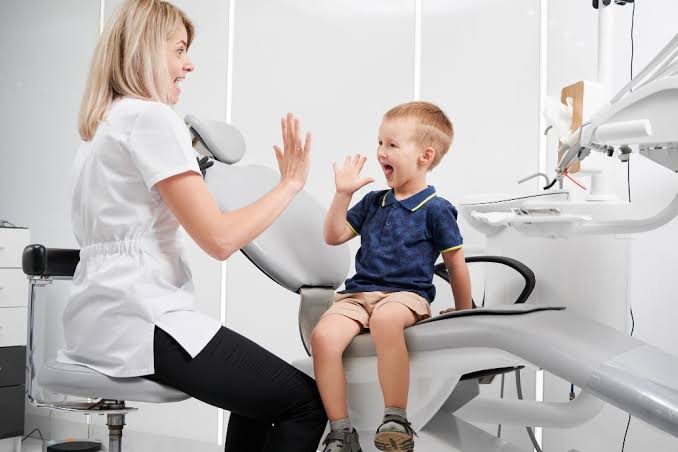

Everything you need to know to prepare your toddler for their first trip to the dentist — from the right age to start, to what really happens in the exam room, to tips that actually calm nervous kids down.
Key Takeaways (Quick Answer)
- Best age for a first dental visit: By your child’s first birthday, or within 6 months of their first tooth coming in — whichever comes first.
- What happens: A short, gentle “knee-to-knee” exam, a look at teeth and gums, and a conversation about brushing, diet, and pacifier/thumb habits.
- How to prepare: Practice “open wide” games at home, read dentist-themed books, avoid words like “hurt” or “shot,” and pick a pediatric dentist experienced with toddlers.
- Cost: Most dental insurance and many medical plans cover preventive visits at 100%; check your plan before booking.
Why the First Dental Visit Matters More Than Most Parents Realize
If you’re a new parent, it’s easy to assume dental care can wait until your child has a “full set” of teeth, or at least until they’re old enough to understand instructions. But the American Academy of Pediatric Dentistry (AAPD) and the American Academy of Pediatrics both recommend scheduling that first appointment much earlier than most people think — by age one.
Here’s why early visits matter so much:
- Cavities can start as soon as teeth erupt. Baby teeth are more vulnerable to decay than adult teeth, and early childhood cavities are one of the most common chronic diseases in kids under five.
- It sets the emotional tone for a lifetime of dental care. Kids who have positive, low-stress early visits are far less likely to develop dental anxiety as adults.
- It catches problems while they’re small. Things like tongue-ties, teething complications, or early enamel issues are much easier to address early.
- You get expert guidance tailored to your child. A pediatric dentist can answer questions about thumb-sucking, pacifier weaning, teething pain, and fluoride — questions that are hard to Google your way through with confidence.
When Should Your Child’s First Dental Visit Happen?
The rule of thumb dentists use is simple:
“First tooth, first birthday.”
That means the visit should happen by the time your child turns one, or within six months of their first tooth appearing — whichever comes first. Some babies get their first tooth at 4 months; others don’t get one until 12–14 months. Either way, age one is the latest you want to wait.
Signs it’s time to book, even earlier than planned:
- A tooth looks discolored, chalky white, or brown
- Your child seems to be in pain while eating or chewing on toys
- You notice swelling of the gums
- Your pediatrician flags a concern at a well-child visit
What Actually Happens at the First Appointment
Parents are often surprised by how short and simple the first visit is. Here’s a typical breakdown:
1. The “Knee-to-Knee” Exam
For infants and young toddlers, the dentist and parent often sit knee-to-knee, facing each other, with the child’s head resting in the dentist’s lap. This lets the dentist get a clear view of the mouth while the child stays close to a parent the whole time.
2. A Quick Visual Check
The dentist checks:
- Number and position of teeth
- Signs of early decay or staining
- Gum health
- Bite alignment
- Frenulum (the tissue under the tongue and lip) for ties
3. A Gentle Cleaning (If Needed)
For very young children, this may be skipped or done with just a soft brush and a tiny bit of toothpaste.
4. Parent Consultation
This is often the most valuable part. Expect to talk about:
- Proper brushing technique for your child’s age
- Bottle and sippy cup habits (and how they affect teeth)
- Pacifier and thumb-sucking timelines
- Diet and sugar exposure
- Fluoride use
- Teething relief options
5. Scheduling the Next Visit
Most dentists recommend checkups every 6 months after the first one, just like for adults.
Total time: Most first visits last just 15–30 minutes.
How to Prepare Your Child (and Yourself) for the First Visit
Do This Before the Appointment
- Practice at home. Play “dentist” — count teeth with a soft toothbrush, have your child open wide for a stuffed animal “checkup.”
- Read books about going to the dentist. Familiar stories reduce the fear of the unknown.
- Choose your words carefully. Avoid “hurt,” “shot,” “pain,” or “drill,” even in passing. Use neutral words like “check,” “count,” and “clean.”
- Book a morning slot. Kids tend to be more cooperative and less tired earlier in the day.
- Bring a comfort item. A favorite stuffed animal or blanket can help.
- Stay calm yourself. Kids pick up on parental anxiety fast — if you’re relaxed, they’re more likely to be too.
What NOT to Do
- Don’t bribe with a promise that “it won’t hurt” — this can backfire if your child wasn’t worried to begin with.
- Don’t share your own bad dental memories in front of your child.
- Don’t threaten “the dentist” as a punishment for not brushing teeth.
Choosing the Right Dentist for Your Child
You have two main options:
| Provider Type | Best For |
|---|---|
| Pediatric Dentist | Specialized training in child behavior, sedation options, and kid-friendly offices. Best for anxious kids or those with special needs. |
| Family/General Dentist | Convenient if you want the whole family seen in one place; many are very comfortable with young kids too. |
Questions to ask when choosing:
- Do you have experience with toddlers and infants?
- What’s your approach to a child who cries or resists the exam?
- Do you offer knee-to-knee exams for infants?
- What sedation or comfort options are available for anxious kids?
- Is the office designed to be kid-friendly (toys, low lighting, calming decor)?
Cost and Insurance: What to Expect
- Most dental insurance plans cover preventive visits (exams, cleanings, X-rays) at 100%, often with no copay.
- Many medical insurance plans also cover a child’s first dental exam under preventive care mandates, especially before age 3.
- If you’re uninsured, community health centers and dental schools often offer low-cost pediatric care.
- Always call ahead to confirm what’s covered — policies vary widely by provider and state.
Want to give your child the best start with dental care?
Our friendly team makes every visit comfortable — for kids and parents alike.
Common Questions Parents Ask
Q: My child cried through the whole visit — did we do something wrong? A: Not at all. Crying at a first visit is extremely common and doesn’t mean lasting damage or trauma. Pediatric dentists see this daily and are trained to work through it calmly.
Q: Do baby teeth even matter if they’re just going to fall out? A: Yes — baby teeth hold space for adult teeth, help with speech development, and support proper chewing and nutrition. Decayed baby teeth can also lead to infections that affect the permanent teeth growing underneath.
Q: How do I brush my toddler’s teeth if they won’t open their mouth? A: Try brushing while they lie on your lap, use a timer or song, let them “practice” on a stuffed animal first, and offer to brush your teeth together side-by-side.
Q: When should we start using fluoride toothpaste? A: Most pediatric dentists recommend a rice-grain-sized smear of fluoride toothpaste as soon as the first tooth appears, increasing to a pea-sized amount around age 3. Your dentist will confirm what’s right for your child.
The Bottom Line
Your child’s first dental visit isn’t about a perfect, sit-still exam — it’s about building a foundation of trust with dental care that will last a lifetime. Book the appointment by age one, keep the mood light, choose a provider who’s genuinely comfortable with toddlers, and don’t stress if the first visit is a little wiggly or tearful. That’s completely normal — and it gets easier from here.

