
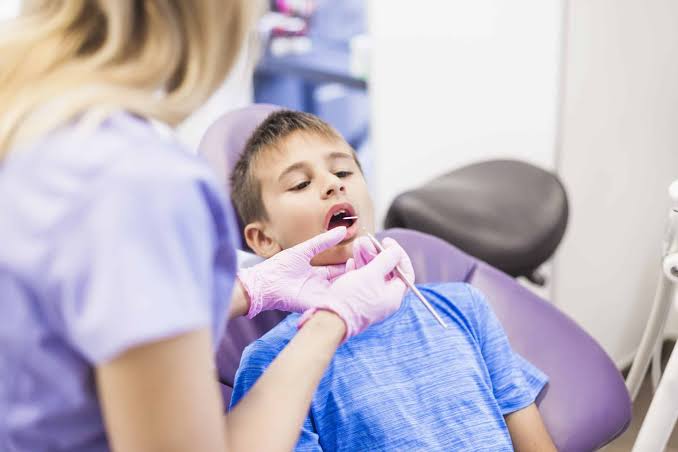

A straightforward look at what dental sealants actually do, how much they cost, and whether they’re a smart investment for your child’s teeth — or an upsell you can skip.
Key Takeaways (Quick Answer)
- What they are: A thin protective coating painted onto the chewing surfaces of back teeth (molars) to block out food and bacteria.
- Are they worth it? For most kids, yes — sealants can cut the risk of cavities in molars by roughly 80% in the first two years, and they’re quick, painless, and low-cost compared to filling a cavity later.
- Best age: Usually applied as soon as permanent molars come in — around ages 6 and 12.
- Cost: Typically $30–$60 per tooth without insurance; often fully covered by dental insurance for kids as a preventive service.
- How long they last: 5–10 years on average, with regular checkups to monitor wear.
What Are Dental Sealants, Exactly?
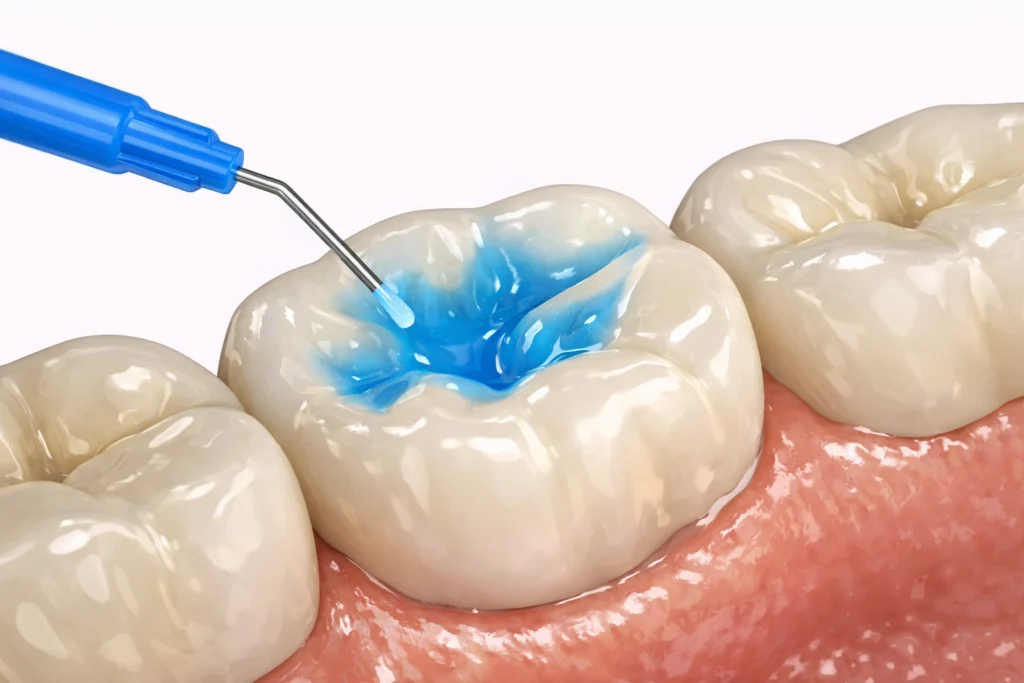
Dental sealants are a thin, plastic-like coating that a dentist paints onto the grooved chewing surfaces of the back teeth — the molars and premolars where most cavities in kids actually start. Those teeth have deep pits and fissures that are almost impossible to clean fully with a toothbrush, even with great brushing habits. Food particles and bacteria settle into the grooves, and over time, that leads to decay.
The sealant fills in those grooves, creating a smooth, protected surface that’s much easier to keep clean and far harder for bacteria to penetrate.
The application itself is simple:
- The tooth is cleaned and dried.
- A gel is applied briefly to help the sealant bond, then rinsed off.
- The sealant liquid is painted on.
- A special light hardens it in seconds.
No drilling, no numbing, and no discomfort — the whole process takes just a few minutes per tooth.
Why Dentists Recommend Sealants for Kids
Cavities in permanent molars are one of the most common dental problems in school-age children, largely because:
- Molars erupt with deep grooves that trap food easily
- Kids often haven’t mastered thorough brushing technique yet
- Diet at this age tends to include more sugary snacks and drinks
- Permanent molars need to last a lifetime — there’s no “next” set coming in
Sealants act as a preventive barrier during the years when a child’s brushing habits and diet make molars most vulnerable. Research consistently shows that sealed teeth develop far fewer cavities than unsealed ones, particularly in the first two to three years after application, when the protective effect is strongest.
Are They Actually Worth It? Weighing the Pros and Cons
The Case For Sealants
- Prevention is cheaper than treatment. A sealant costs a fraction of what a filling — or worse, a crown or root canal — would cost down the line.
- No downtime, no discomfort. Unlike a filling, there’s no numbing, no drilling, and no recovery.
- They protect the hardest-to-clean spots. Even a child with excellent brushing habits can miss the deep grooves sealants cover.
- Long-lasting protection. A single application can protect a molar for 5–10 years with routine checkups.
- Backed by major dental and pediatric health organizations as a standard, evidence-supported preventive measure.
Potential Downsides to Consider
- They’re not a substitute for brushing and flossing. Sealants only protect the tops of molars — the sides and gumline still need daily care.
- They can wear down or chip over time, and need to be checked at regular visits to make sure they’re still intact.
- Not every tooth needs one. Front teeth and teeth with smooth surfaces (rather than deep grooves) usually don’t need sealants at all.
- Cost varies without insurance, though it’s still generally far less than treating a cavity.
For the vast majority of kids with newly erupted molars, dentists agree the benefits clearly outweigh the minor downsides — sealants are considered one of the most cost-effective preventive treatments in modern pediatric dentistry.
When Should Sealants Be Applied?
Timing matters. Sealants work best when applied as soon as possible after a permanent molar fully erupts, before any decay has a chance to start. The two key windows are:
- Around age 6: When the first permanent molars (the “6-year molars”) come in
- Around age 12: When the second set of permanent molars erupts
Some dentists also apply sealants to certain baby molars if a child is highly cavity-prone, since baby teeth still play an important role in chewing and holding space for adult teeth.
What Sealants Cost — and Whether Insurance Covers Them
- Without insurance: Typically $30–$60 per tooth, depending on your dentist and location.
- With insurance: Most dental insurance plans classify sealants as a preventive service for children, meaning they’re often covered at 100% up to a certain age (commonly through age 14 or 16).
- Medicaid/CHIP: In many states, sealants for eligible children are covered at little to no cost.
Compare that to the cost of treating a cavity later — often $150–$300+ for a filling, and significantly more for a crown or root canal if decay is caught late — and sealants tend to look like one of the best value preventive treatments available.
How to Help Sealants Last Longer
Sealants aren’t “set it and forget it,” but keeping them effective is simple:
- Keep up with regular checkups so your dentist can check for wear or chipping
- Avoid excessive chewing on ice, hard candy, or non-food objects, which can crack sealants
- Maintain a normal brushing and flossing routine — sealants protect the tops of teeth, not the sides
- Mention it at cleanings if your child bites down on anything unusually hard, so the dentist can check the sealant hasn’t cracked
Want to give your child the best start with dental care?
Our friendly team makes every visit comfortable — for kids and parents alike.
The Bottom Line
For most children, dental sealants are a low-cost, low-effort way to meaningfully cut the risk of cavities in the teeth that are hardest to keep clean — the back molars. They don’t replace good brushing habits, but they add a real layer of protection during the years kids are most cavity-prone. Given the price difference between a sealant and a filling, most parents find the answer to “are they worth it?” is a clear yes — talk to your child’s dentist at their next checkup about whether their molars are ready.
Curious whether your child’s teeth are good candidates for sealants? Ask your pediatric dentist at your next visit — it’s a quick, painless check that could save you a filling down the road.

