
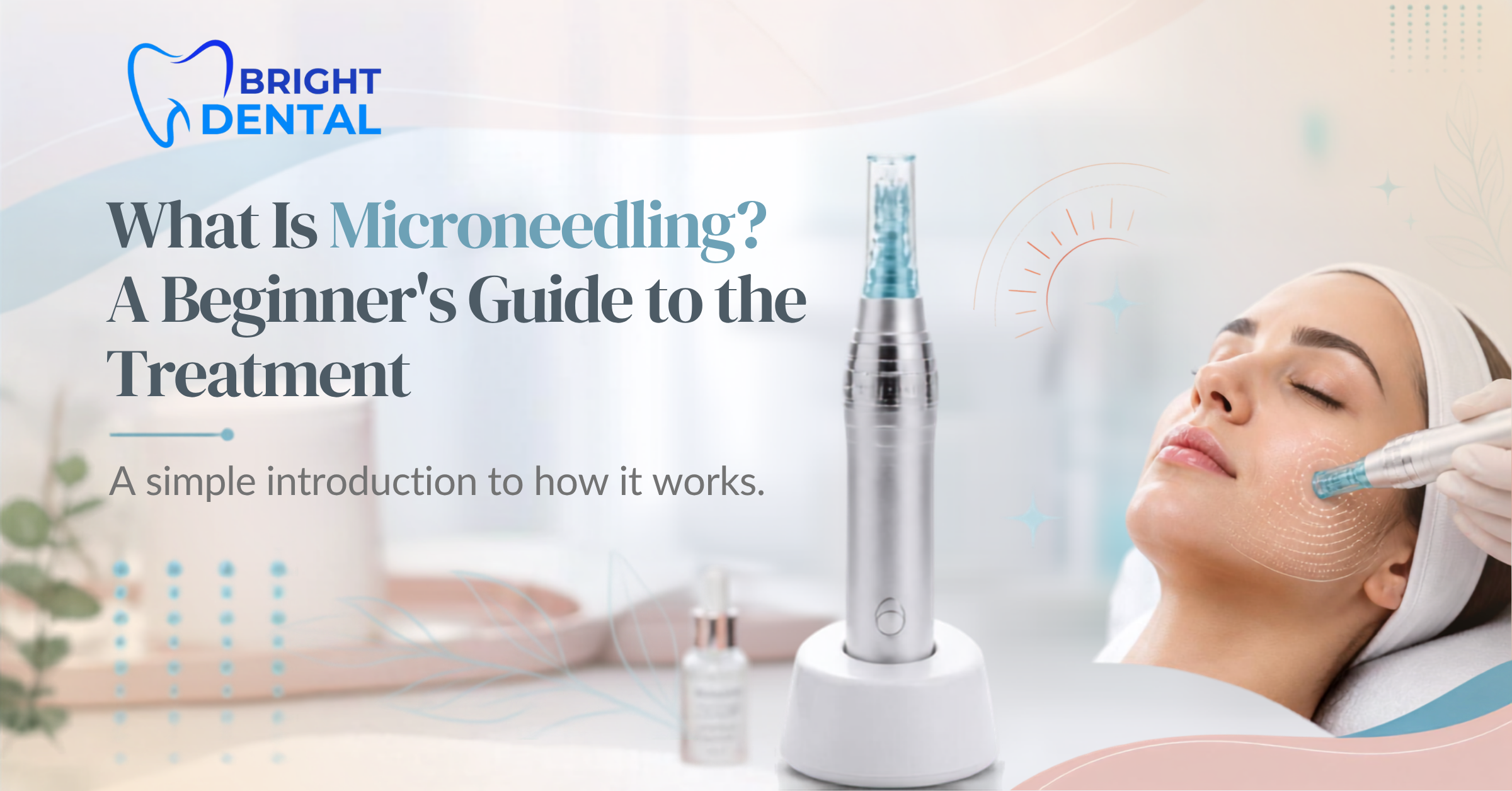

If you’ve spent any time researching ways to refresh your skin without surgery or serious downtime, you’ve probably run into one term over and over: microneedling. It shows up on skincare blogs, in med spa menus, and increasingly, on the treatment lists of dental practices. But what is microneedling, exactly, and why has it become such a popular option for people who want smoother, healthier-looking skin?
In this beginner’s guide, we’ll walk through what the treatment actually involves, how it works beneath the surface, what kind of results you can realistically expect, and why patients throughout Des Plaines and Glenview are increasingly choosing their dental team for this service instead of a traditional med spa.
What Is Microneedling?
Microneedling is a minimally invasive cosmetic treatment that uses a handheld device fitted with fine, sterile needles to create tiny, controlled micro-injuries in the outermost layer of the skin. These punctures are so small they’re invisible to the naked eye, but they’re enough to send a signal to your body: it’s time to heal and rebuild.
That healing response is really the whole point. When skin senses this controlled injury, it kicks into repair mode, ramping up production of collagen and elastin. These two proteins are largely responsible for skin’s firmness, elasticity, and overall youthful appearance. As collagen rebuilds beneath the surface over the following weeks, many patients notice smoother texture, softer lines, and a more even, refreshed complexion.
You may also hear microneedling referred to as collagen induction therapy. It’s a fitting name, since the entire treatment is built around encouraging your skin to produce more of the structural proteins it naturally loses with age, sun exposure, and scarring. Unlike treatments that resurface skin with heat or chemicals, microneedling works with your body’s own regenerative process, which is part of why it appeals to people looking for a gentler, more natural-feeling approach to skin renewal.
How Does Microneedling Work?
So, how does microneedling work from the moment you sit down for treatment to the weeks afterward? While the exact protocol can vary slightly depending on your provider and your specific skin goals, most sessions follow a similar path.
1. Consultation and Skin Assessment
Before any needles are involved, your provider will take a close look at your skin and talk through what you’re hoping to achieve. Are you trying to soften acne scarring? Reduce the look of fine lines around the eyes or mouth? Improve overall tone and texture? This conversation helps determine the right needle depth, number of passes, and any complementary products that might enhance your results.
2. Cleansing and Numbing
The treatment area is thoroughly cleansed to remove any makeup, oil, or debris. A topical numbing cream is then applied and given time to take effect, since comfort matters just as much as results. Most patients describe the sensation during treatment as mild pressure or a light scratching feeling rather than pain.
3. The Microneedling Pass
Once your skin is numb, your provider glides the microneedling device across the treatment area in controlled, even passes. The needles puncture the skin at a consistent, safe depth — typically adjusted based on the area being treated and the concern being addressed. This step usually takes 20 to 30 minutes, depending on the size of the treatment area.
4. Soothing Serum Application
Immediately after your session, a calming or collagen-boosting serum is applied. Because the micro-channels created during treatment are temporarily more absorbent, this is often when active ingredients can penetrate more effectively than they would on intact skin.
5. Aftercare and Recovery
You’ll leave with simple, clear aftercare instructions. Most people notice redness similar to a mild sunburn for 24 to 48 hours, along with some light sensitivity. Sun protection, gentle cleansers, and avoiding harsh actives for a few days are typically recommended while your skin heals.
The real transformation happens over the following weeks as new collagen forms beneath the surface. That’s why microneedling isn’t a one-and-done treatment — most providers recommend a series of three to six sessions, spaced four to six weeks apart, to build noticeable, lasting improvement.
Microneedling Benefits
There’s a reason this treatment has earned such a loyal following among skincare-conscious patients. Some of the most notable microneedling benefits include:
- Smoother skin texture – Helps reduce the appearance of rough patches, roughness, and enlarged pores over time.
- Softer fine lines and wrinkles – Increased collagen production helps plump and firm the skin from within.
- Improved acne scarring – Encourages the breakdown of old, fibrous scar tissue and supports healthier skin regrowth in its place.
- More even skin tone – Can help fade the look of mild sun damage, discoloration, and uneven pigmentation.
- Minimal downtime – Unlike more aggressive resurfacing treatments, most patients return to their normal routine within a day or two.
- Broad compatibility – Considered a safer option for a wider range of skin types and tones compared to certain laser-based treatments.
- Enhanced product absorption – The micro-channels created during treatment can allow serums and topical treatments to work more effectively immediately afterward.
Ready to See What Microneedling Can Do for Your Skin?
Skip the guesswork and get a personalized treatment plan from a team you already trust. Our Des Plaines dental office offers professional microneedling to help smooth texture, soften fine lines, and refresh your skin.
Is Microneedling Right for You?
Microneedling tends to be a good fit for people who want to:
- Improve the look of mild to moderate acne scarring
- Soften early signs of aging, such as fine lines around the eyes and mouth
- Refresh dull, tired-looking, or unevenly toned skin
- Achieve visible improvement without the downtime associated with more invasive procedures like deep chemical peels or ablative lasers
That said, microneedling isn’t the right choice for everyone. It’s generally not recommended for patients with active acne breakouts, open wounds, certain skin infections, or specific medical conditions that affect wound healing. Patients who are pregnant or taking certain medications should also discuss timing with their provider first. A short consultation is really the best way to find out whether this treatment lines up with your skin goals and medical history.
What Can You Expect During Recovery?
Recovery from microneedling is typically much shorter and milder than people expect. In the first day or two, your skin may look and feel similar to a mild sunburn — pink, slightly tight, and a bit warm to the touch. Some patients also notice light swelling, particularly if a deeper treatment depth was used.
By day three or four, most redness has faded, and you may notice your skin looking slightly more radiant as it begins to heal. It’s important to avoid direct sun exposure, skip harsh exfoliants or retinoids for about a week, and keep the area consistently moisturized. Sunscreen becomes especially important during this window, since freshly treated skin is more vulnerable to UV damage.
Full collagen remodeling continues for several weeks after each session, which is why patience is key. The goal isn’t a dramatic before-and-after overnight — it’s steady, natural-looking improvement that builds with each treatment.
Why Choose a Dental Office for Microneedling?
It might sound unexpected at first, but dental professionals are increasingly offering microneedling and other cosmetic skin treatments alongside general and cosmetic dentistry services. It actually makes a lot of sense. Dentists receive extensive training in facial anatomy, precision technique, and patient safety protocols — skills that translate directly to treatments performed around the mouth, cheeks, jawline, and lower face.
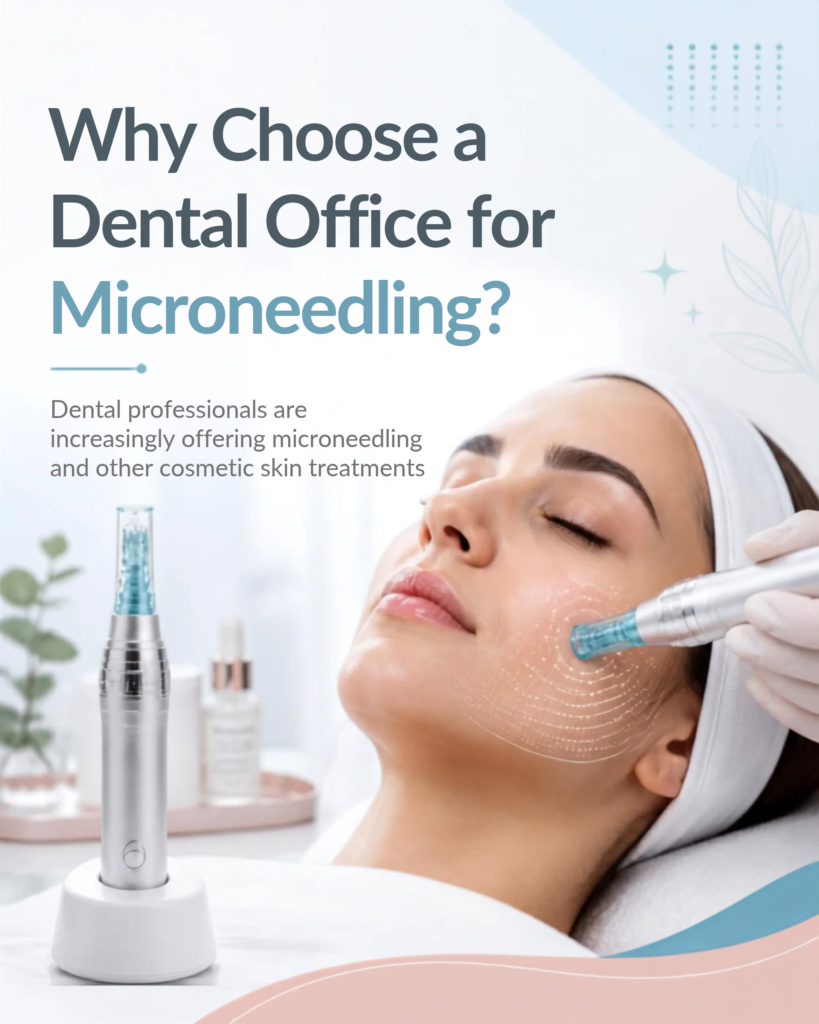
There’s also a practical benefit for patients. Many people already have an established, trusted relationship with their dental provider. Being able to address both oral health and skin rejuvenation in one familiar, comfortable setting saves time and eliminates the guesswork of vetting a separate provider. At Bright Dental, our patients throughout Des Plaines, IL, and nearby communities like Glenview appreciate having a single trusted team for both their smile and their skin.
If you’d like more detail on how our treatments work and what pricing looks like, our dedicated Microneedling services page walks through everything you need to know before your first visit.
Combining Microneedling With Other Treatments
Many patients don’t stop at microneedling alone. Because it pairs well with other non-surgical treatments, some providers recommend combining it with options like Botox for a more comprehensive approach to facial rejuvenation. If you’re weighing your options, our recent article on combining Botox and microneedling breaks down how these two treatments can work together to address both fine lines and skin texture in the same overall plan.
And if you’re specifically searching for a local provider, we’ve also put together a more detailed look at microneedling treatment in Des Plaines, covering what to expect during your visit, typical session length, and how our team customizes treatment plans for different skin concerns.
Final Thoughts
Microneedling offers a simple, effective way to support your skin’s natural renewal process, with minimal downtime and results that build gradually over time. Whether you’re hoping to soften acne scarring, smooth fine lines, or simply bring back a healthier glow, this treatment offers a gentle, science-backed path forward.
If you’re in Des Plaines, Glenview, or a nearby community and you’re curious whether microneedling is the right fit for your skin, our team is here to help you find out. Schedule your consultation with Bright Dental today and take the first step toward smoother, healthier-looking skin with a provider you already trust.

