
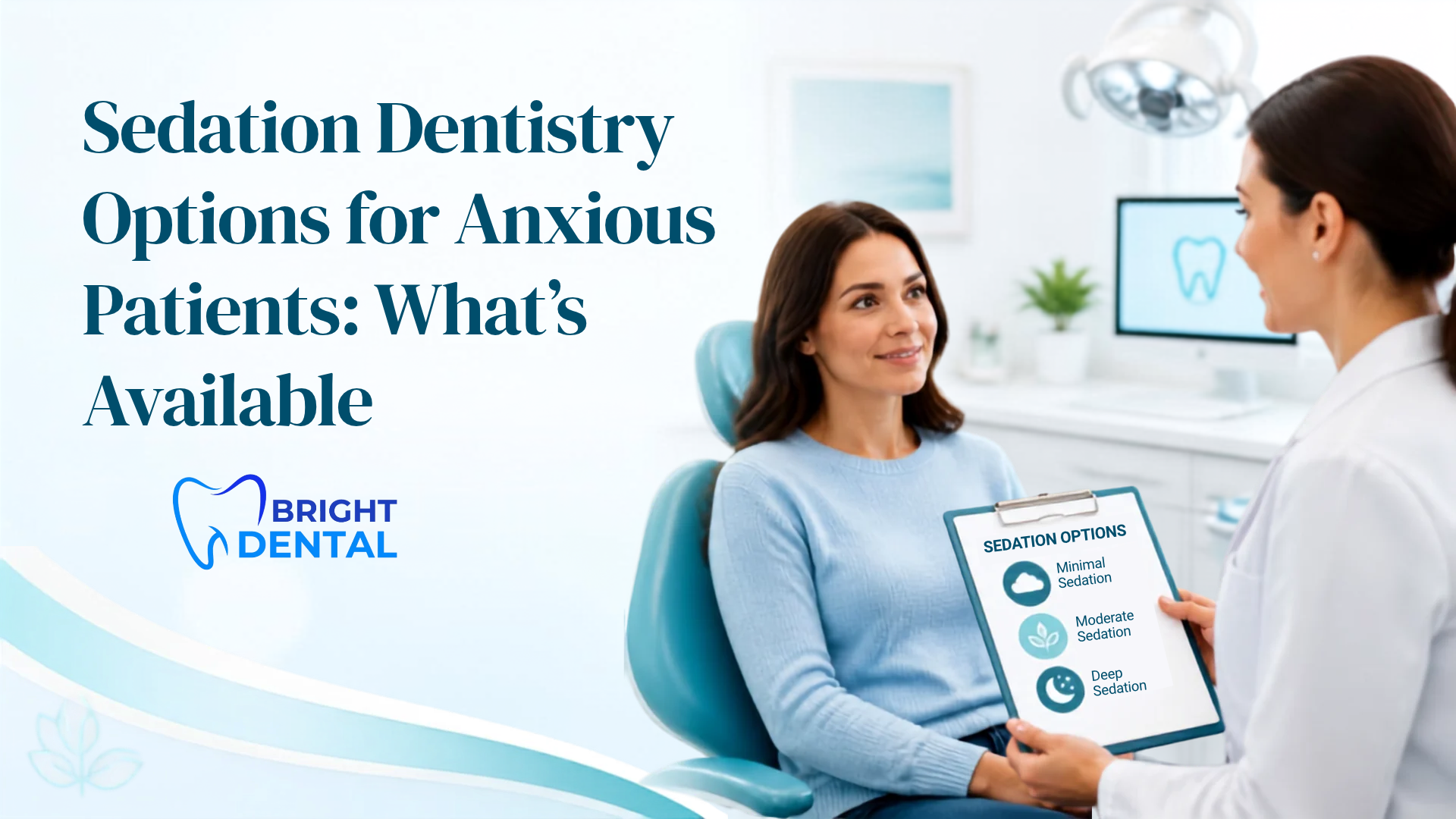

For many people, putting off a dental visit has less to do with time and more to do with fear. If that sounds familiar, understanding the sedation dentistry options available today can make a real difference in getting the care you need without the dread that often comes with it.
At Bright Dental, we work with patients throughout Des Plaines who have avoided the dentist for years because of anxiety, past experiences, or fear of pain. This guide walks through the different levels of sedation available, how they compare, and how to figure out which option might be the right fit for you.
Understanding Dental Anxiety and Why It Happens
Dental anxiety is extremely common and can stem from a variety of sources: a difficult past experience, fear of needles or pain, sensitivity to sounds and smells associated with dental offices, or even a general sense of losing control while in the chair. For some patients, anxiety is mild and manageable with reassurance and a gentle approach. For others, it can be intense enough to prevent them from seeking care altogether, which often allows small dental issues to become bigger, more complicated problems over time.
Dental anxiety treatment isn’t one-size-fits-all. It typically starts with an honest conversation about what specifically makes you anxious, followed by a plan that may include behavioral techniques, sedation, or a combination of both.
Anxiety doesn’t only affect how you feel in the chair. It’s worth noting that stress in general can affect your body in ways that show up in your mouth, and understanding how stress impacts oral health can help explain why some patients notice more sensitivity or tension-related symptoms around dental visits.
What Is Sedation Dentistry?
Sedation dentistry refers to the use of medication to help patients relax during dental procedures. Sedation can range from very light, where you’re calm but fully awake and aware, to deeper levels where you may not remember much of the appointment afterward. The right level depends on the severity of your anxiety, the type of procedure being performed, and your overall health history.

Nitrous Oxide vs Oral Sedation
Two of the most common sedation options patients ask about are nitrous oxide and oral sedation, and understanding nitrous oxide vs oral sedation can help clarify which might suit your needs.
Nitrous oxide, often called laughing gas, is inhaled through a small mask worn over the nose. It works quickly, wears off almost immediately after the mask is removed, and allows most patients to drive themselves home after their appointment. It’s generally best suited for patients with mild to moderate anxiety.
Oral sedation involves taking a prescribed medication, usually about an hour before your appointment, that produces a deeper sense of relaxation. Patients remain conscious and can respond to instructions, but many feel drowsy and have limited memory of the procedure afterward. Because oral sedation takes longer to wear off, patients typically need someone to drive them home.
IV Sedation Dentist: When Deeper Sedation Is Needed
For patients with significant anxiety, complex procedures, or a strong gag reflex, working with an IV sedation dentist may be recommended. IV sedation is administered directly into the bloodstream, allowing for precise control over the level of sedation throughout the appointment. It tends to produce a deeper state of relaxation than nitrous oxide or oral sedation, and many patients have little to no memory of the procedure afterward.
Because IV sedation has a more significant effect on the body, it requires close monitoring throughout the appointment and a longer recovery window before driving or returning to normal activities.
Ready for a More Comfortable Dental Visit?
If dental anxiety has kept you from getting the care you need, you don’t have to manage it on your own. Our team can talk you through your sedation dentistry options and build a plan around your comfort level.
How to Know Which Sedation Option Is Right for You
Choosing between sedation dentistry options usually comes down to a conversation with your dentist about a few key factors:
- How severe your anxiety is and what specifically triggers it
- The type and length of the procedure being performed
- Your overall health history and any medications you take
- Whether you have someone available to drive you home, if needed
- Your personal comfort level with being fully aware versus more deeply relaxed during treatment
There’s no single “best” option for everyone. The goal is finding the sedation level that lets you get through treatment comfortably while keeping you safe.
What to Expect During a Sedation Dentistry Appointment
Regardless of which sedation option is used, your dental team will review your health history beforehand, explain what to expect, and monitor you closely throughout the visit. For nitrous oxide, you’ll typically feel effects within minutes and recover just as quickly. For oral or IV sedation, plan for a longer appointment window that includes time for the medication to take effect and, afterward, time to recover safely before heading home.
Safety and Monitoring During Sedation
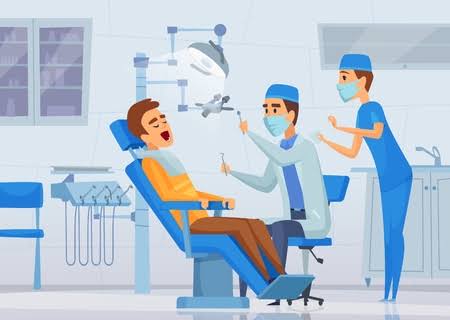
Patient safety is central to every level of sedation. During oral and IV sedation in particular, your dental team will monitor vital signs such as heart rate and oxygen levels throughout the procedure. Being upfront about your full medical history, including any medications, allergies, or health conditions, helps your dentist choose the safest and most effective sedation option for you.
Recovery After Sedation
Recovery time varies depending on the type of sedation used:
- Nitrous oxide wears off within minutes, and most patients can resume normal activities right away.
- Oral sedation effects can linger for several hours, so plan to rest and avoid driving for the remainder of the day.
- IV sedation typically requires the most recovery time, often the rest of the day, along with a ride home and someone to check in on you afterward.
Your dental team will give you specific aftercare instructions based on the sedation method used for your procedure.
Finding Sedation Dentistry in Des Plaines
If dental anxiety has kept you from scheduling routine visits or necessary treatment, know that a more comfortable option is available. Many of our patients who once avoided the dentist have found that a calm, judgment-free approach paired with the right sedation option makes all the difference. Our broader approach to pain-free dentistry in Des Plaines reflects the same philosophy: helping patients get the care they need without unnecessary stress or discomfort.
To see the full range of dental services we offer, along with sedation options for anxious patients, our team is happy to walk you through what’s available at your next visit.
Final Thoughts
Dental anxiety doesn’t have to stand between you and a healthy smile. From the light relaxation of nitrous oxide to the deeper comfort of IV sedation, today’s sedation dentistry options give patients real choices for getting through treatment comfortably. If fear or anxiety has kept you away from the dentist, talking with a provider about these options is a good first step toward getting back on track with your oral health.

