
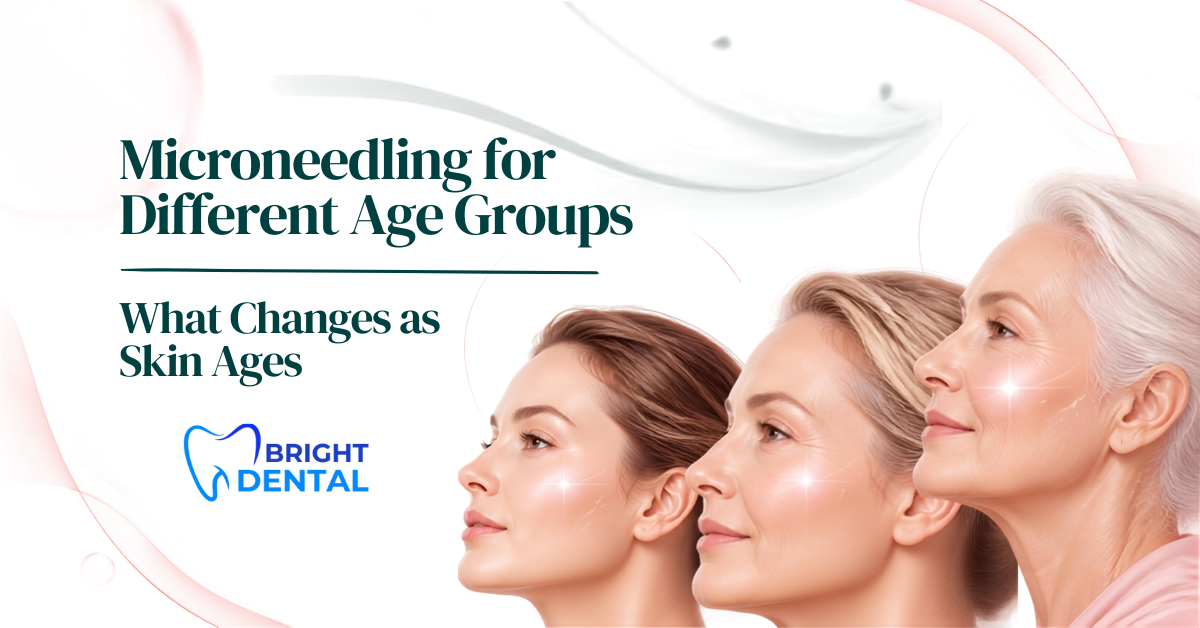

Microneedling has become one of the most popular non-surgical skin treatments available, and for good reason — it works with your skin’s own healing response to improve texture, tone, and firmness with minimal downtime. But one question we hear constantly is: what’s the best age to start microneedling, and does it work the same way at every stage of life? The truth is, your skin’s needs change significantly as you age, and microneedling for aging skin isn’t a one-size-fits-all treatment. In this guide, we’ll break down how microneedling performs differently in your 20s, 30s, 40s, and beyond, so you can understand what to expect at your specific stage of skin aging.
How Microneedling Works, in Brief
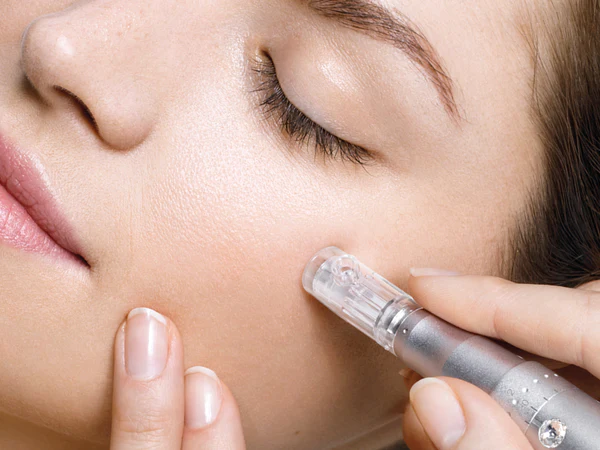
Before comparing age groups, it helps to understand the mechanism behind microneedling. The treatment uses a device with fine, sterile needles to create controlled micro-injuries in the top layers of skin. This triggers your body’s natural wound-healing response, stimulating collagen and elastin production — the two proteins primarily responsible for skin’s firmness and elasticity. As we age, collagen production naturally slows, which is precisely why microneedling for aging skin has become such a popular preventative and corrective treatment across a wide age range.
How Skin Changes With Age
To understand why microneedling performs differently depending on your age, it helps to understand how skin itself changes over time:
- Collagen decline — Collagen production begins to slow gradually starting in your mid-20s, with a more noticeable decline after age 30, accelerating further after menopause for many women.
- Slower cell turnover — Younger skin regenerates new cells more quickly, which is part of why younger skin tends to heal faster and bounce back more easily.
- Loss of elasticity — Elastin fibers break down over time, contributing to sagging, fine lines, and looser skin texture.
- Cumulative sun damage — Years of UV exposure contribute to uneven pigmentation, texture changes, and premature aging that becomes more visible with time.
- Thinner dermis — The dermal layer gradually thins with age, making skin more fragile and prone to visible fine lines.
These changes explain why the goals — and results — of microneedling shift as you move through different decades of life.
Microneedling in Your 20s
Primary goals: Prevention, acne scar improvement, early texture refinement
In your 20s, collagen production is still relatively strong, so microneedling is typically less about reversing visible aging and more about prevention and addressing specific concerns like acne scarring, enlarged pores, or uneven texture. Many people in this age group start microneedling not because they’re seeing significant signs of aging, but because they want to build a proactive skincare routine and address concerns like post-acne scarring while skin is still highly responsive to treatment.
What to expect: Faster healing, quicker visible results, and treatments often spaced further apart since less correction is typically needed.
Microneedling in Your 30s
Primary goals: Early fine lines, first signs of collagen decline, maintaining skin firmness
The 30s are often when people start noticing the first subtle signs of aging — fine lines around the eyes, slightly less bounce in the skin, or a duller overall complexion. This is a common decade for people to begin microneedling for aging skin specifically, as collagen production has typically started its gradual decline. Many patients in their 30s use microneedling both to address early signs of aging and to maintain the collagen levels they already have.
What to expect: Slightly more noticeable improvements in texture and tone compared to the 20s, with treatments often used consistently as a preventative maintenance strategy.
Microneedling in Your 40s
Primary goals: Visible fine lines and wrinkles, loss of firmness, uneven texture, sun damage correction
By the 40s, the difference between microneedling in your 20s vs 40s becomes much more apparent. Collagen decline is more pronounced, skin often feels less firm, and fine lines have typically become more visible, especially around the eyes, mouth, and forehead. At this stage, microneedling is frequently combined with other treatments — including Botox for dynamic wrinkles — to address both the structural firmness of the skin and the muscle movement that contributes to expression lines.
What to expect: More noticeable results in terms of firmness and texture, though a full treatment series is often recommended to see meaningful improvement, since collagen rebuilding takes longer at this stage. Many patients in this age range combine microneedling with complementary treatments for more comprehensive results — you can learn more about how these treatments work together in our guide on total facial harmony through combined Botox and microneedling treatment.
Microneedling in Your 50s and Beyond
Primary goals: Significant collagen rebuilding, improved skin thickness, addressing deeper wrinkles and sun damage
After 50, particularly for women navigating hormonal changes associated with menopause, collagen loss accelerates significantly. Skin may feel noticeably thinner, less elastic, and more prone to visible wrinkling. Microneedling for aging skin at this stage focuses heavily on rebuilding collagen density and improving overall skin thickness and resilience. While results are still achievable, they typically take a more consistent, longer-term treatment plan compared to younger age groups.
What to expect: Gradual but meaningful improvement over a series of sessions, often combined with a broader skincare and treatment plan for the best results.
Curious What Microneedling Could Do for Your Skin?
Whether you’re just starting to think about prevention in your 20s or looking to address more visible signs of aging, a personalized consultation is the best way to understand what results you can realistically expect at your stage of life.
Microneedling in Your 20s vs 40s: Key Differences
To put the comparison side by side, here’s how microneedling for aging skin typically differs between these two decades:
- Goal: 20s focuses on prevention and scar/texture refinement; 40s focuses on visible firmness loss and fine line correction.
- Healing speed: Skin in your 20s generally heals faster due to quicker cell turnover.
- Number of sessions needed: Fewer sessions are often needed in your 20s for noticeable improvement, while your 40s may require a more structured series to see comparable results.
- Complementary treatments: In your 40s, microneedling is more commonly paired with treatments like Botox to address both skin texture and muscle-related expression lines.
- Maintenance frequency: Skin in your 40s often benefits from more frequent maintenance sessions to sustain collagen-building results.
So, What’s the Best Age to Start Microneedling?
There isn’t a single universal answer, because the best age to start microneedling really depends on your individual skin concerns and goals rather than age alone. That said, here’s a general framework:
- If you’re dealing with acne scarring or texture concerns, microneedling can be beneficial even in your late teens or early 20s.
- If you’re interested in a preventative approach to slow visible collagen decline, your late 20s to early 30s is a common and effective starting point.
- If you’re already noticing visible fine lines, sagging, or uneven texture, starting in your late 30s to 40s can help address these concerns directly.
- If you’re managing significant collagen loss or post-menopausal skin changes, starting (or continuing) treatment in your 50s can still produce meaningful improvement with a consistent treatment plan.
In short, there’s no “too early” or “too late” — what matters most is aligning the treatment plan with your skin’s current needs, which is best determined through a professional evaluation.
What to Expect During a Microneedling Consultation
Regardless of your age, a good microneedling treatment plan should start with a thorough evaluation of your skin’s current condition, concerns, and goals. During a consultation, your provider should assess:
- Your skin’s current texture, tone, and elasticity
- Any specific concerns like scarring, sun damage, or fine lines
- Your skin’s sensitivity and healing history
- Whether combining microneedling with complementary treatments would benefit your results
This individualized approach is part of why working with an experienced provider matters so much — understanding facial anatomy and skin behavior in detail helps ensure both safe and effective outcomes at any age.
The Bottom Line
Microneedling for aging skin isn’t a single, static treatment — it evolves alongside your skin’s changing needs at every stage of life. Comparing microneedling in your 20s vs 40s makes it clear that goals, healing time, and results all shift as collagen production naturally declines with age. Whether you’re starting early for prevention or addressing more visible signs of aging later in life, the best age to start microneedling is ultimately the age at which your skin’s specific concerns are ready to be addressed — and a professional evaluation is the best way to determine that starting point for you.
Our team at Bright Dental in Des Plaines combines dental-level precision with facial aesthetics expertise to create microneedling treatment plans tailored to your skin and your stage of life. Explore our Botox and microneedling services or reach out to schedule a consultation.

