
Do you often wake up with a sticky, parched feeling in your mouth, or find yourself reaching for water every few minutes throughout the day? You might be dealing with dry mouth, a condition dentists call xerostomia. It’s more than just an annoying sensation — chronic dry mouth can quietly damage your teeth and gums if it’s left untreated. In this guide, we’ll break down what causes dry mouth, why it matters for your oral health, and the most effective dry mouth remedies to help you find relief. Understanding how to manage oral dryness can help relieve discomfort, support saliva production, and protect your oral health.
Quick Answer: What Are the Best Dry Mouth Remedies?
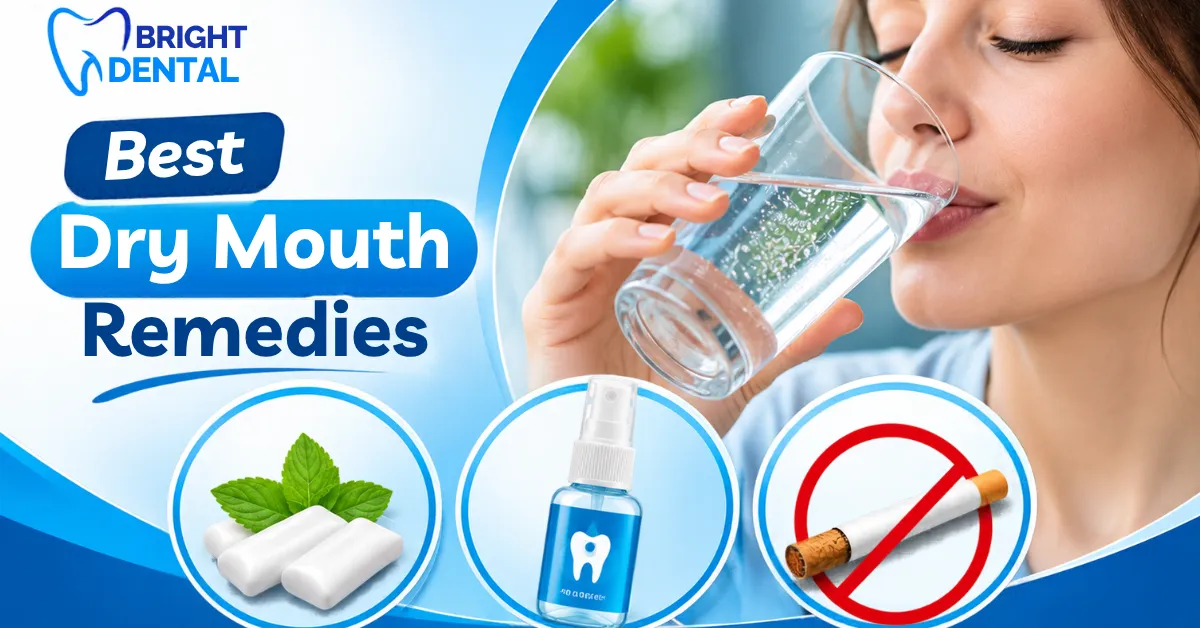
Effective dry mouth remedies include drinking water regularly, chewing sugar-free gum, using saliva substitutes, and avoiding tobacco. Persistent dryness may require professional treatment, especially when medications or medical conditions affect saliva production.
What Is Dry Mouth?
Dry mouth happens when your salivary glands don’t produce enough saliva to keep your mouth adequately moist. Saliva does far more than help you chew and swallow — it washes away food particles, neutralizes acids produced by bacteria, and delivers minerals that help repair early tooth decay. When saliva flow drops, your mouth loses this natural defense system, leaving your teeth and gums more vulnerable.
Common Causes of Dry Mouth
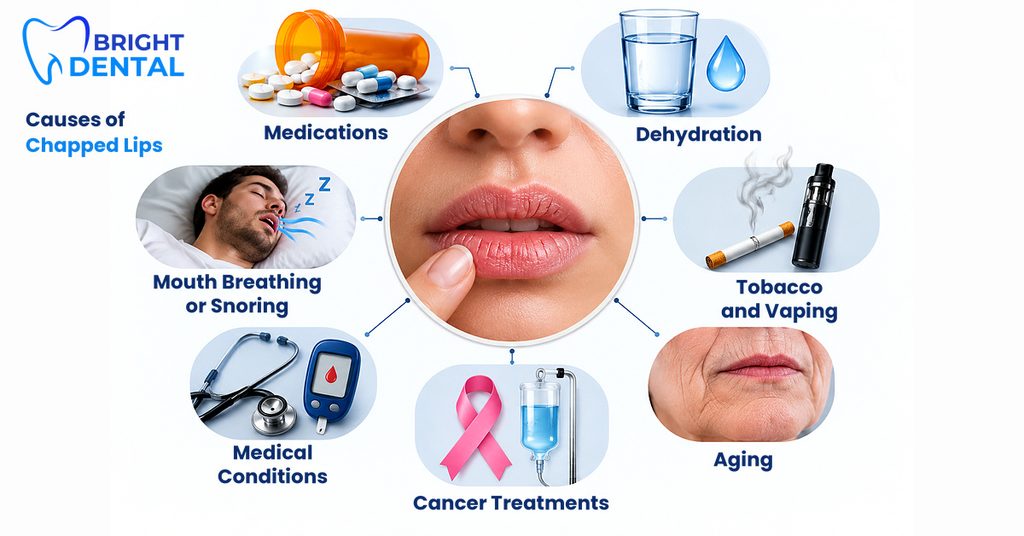
Dry mouth can stem from a variety of everyday habits and underlying health factors, including:
- Medications — Hundreds of common prescriptions, including antihistamines, antidepressants, blood pressure medications, and decongestants, list dry mouth as a side effect.
- Dehydration — Not drinking enough water, or excessive caffeine and alcohol intake, can reduce saliva production.
- Mouth breathing or snoring — Sleeping with your mouth open dries out oral tissues overnight.
- Tobacco and vaping — Nicotine and chemical irritants reduce saliva flow and irritate the gums.
- Medical conditions — Diabetes, Sjögren’s syndrome, autoimmune disorders, and nerve damage can all interfere with salivary gland function.
- Cancer treatments — Radiation therapy to the head and neck, as well as certain chemotherapy drugs, can significantly reduce saliva production.
- Aging-related factors — Dry mouth becomes more common with age, often because of medications or health conditions rather than aging itself.
Identifying the underlying cause helps determine which treatments may work best for your specific condition.
Why Dry Mouth Is a Bigger Risk Than It Seems
Because saliva plays such a central role in protecting your teeth, chronic dry mouth increases your risk of several oral health problems:
- Cavities — Without enough saliva to neutralize acids, tooth decay can develop more quickly. People who are already prone to cavities may face an even higher risk. Learn more about protecting your teeth in our guide on preventing tooth decay.
- Gum disease — Reduced saliva allows plaque and bacteria to build up more easily along the gumline.
- Bad breath — Saliva helps clear away odor-causing bacteria, so dry mouth is a common contributor to persistent bad breath.
- Difficulty chewing, swallowing, or speaking — Severe dryness can make everyday activities like eating and talking uncomfortable.
- Mouth sores and infections — A dry oral environment is more prone to irritation, cracked lips, and fungal infections like oral thrush.
- Ill-fitting dentures — Saliva helps dentures stay in place; dry mouth can make them feel loose or cause sore spots.
Using appropriate dry mouth remedies may help reduce discomfort, but persistent symptoms should be evaluated by a dental professional. If you’ve noticed changes in your gums alongside dry mouth symptoms, explore our guide on gum recession causes and treatment to better understand your gum health and available treatment options.
Effective Dry Mouth Remedies
The most effective dry mouth remedies depend on the underlying cause, your daily habits, and whether reduced saliva production is temporary or ongoing.Several natural remedies for dry mouth may provide relief, depending on the underlying cause:
1. Stay Consistently Hydrated
Sip water throughout the day rather than large amounts at once. Keeping a water bottle nearby is a simple but powerful habit.
2. Chew Sugar-Free Gum or Suck on Sugar-Free Lozenges
Chewing stimulates saliva production naturally. Look for products containing xylitol, which also helps reduce cavity-causing bacteria.
3. Use a Humidifier at Night
If mouth breathing during sleep is contributing to your dry mouth, a humidifier can help keep your airway and mouth tissues moist.
4. Avoid Dehydrating Substances
Cut back on caffeine, alcohol, and tobacco, all of which can worsen dry mouth symptoms.
5. Try Saliva Substitutes or Oral Moisturizers
Over-the-counter saliva substitutes, sprays, and gels are specifically designed to mimic natural saliva and provide longer-lasting relief.
6. Review Your Medications
If you suspect a prescription is causing your dry mouth, talk to your doctor or dentist — they may be able to adjust your dosage or suggest an alternative.
7. Use a Fluoride Toothpaste or Rinse
Since dry mouth increases the risk of cavities, using a fluoride toothpaste or rinse can help protect your tooth enamel. Maintaining good oral hygiene is equally important. Explore our guide on daily oral hygiene mistakes to learn how to keep your teeth and gums healthy.
8. Schedule Regular Dental Checkups
Routine visits allow your dentist to catch the early signs of decay or gum irritation caused by dry mouth before they become bigger problems. While these dry mouth remedies may provide temporary relief, maintaining good oral hygiene and addressing the underlying cause are equally important. For additional guidance on managing dry mouth, explore the National Institute of Dental and Craniofacial Research’s dry mouth guide, which explains common causes, treatment options, and practical ways to relieve symptoms.
When to See a Dentist for Dry Mouth
While occasional dry mouth is usually harmless, you should schedule a dental visit if you experience:
- PerWhile these dry mouth remedies may provide temporary relief, maintaining good oral hygiene and addressing the underlying cause are equally important.sistent dryness that doesn’t improve with home remedies
- Difficulty chewing, swallowing, or speaking
- Frequent cavities or noticeable gum irritation
- Cracked lips, mouth sores, or a burning sensation in the mouth
- Dry mouth accompanied by other symptoms like dry eyes (a possible sign of Sjögren’s syndrome)
If symptoms persist despite home care, a dentist can identify possible causes and recommend appropriate treatment. A dentist can identify possible causes and recommend suitable dry mouth treatment options, including saliva stimulants when medically appropriate.If dry mouth remedies are not improving your symptoms, a dental evaluation can help identify contributing factors and guide appropriate treatment.
Frequently Asked Questions
What helps dry mouth at night?
Drinking enough water, using a bedroom humidifier, and addressing mouth breathing may help. Persistent nighttime dryness should be evaluated by a dentist or healthcare professional.
Can dry mouth cause cavities?
Yes. Reduced saliva makes it harder to neutralize acids and wash away food particles, increasing the risk of tooth decay and gum problems.
The Bottom Line
Dry mouth is common, but it’s not something to brush off. Left untreated, it can accelerate tooth decay, gum disease, and other oral health issues. The good news is that with the right combination of hydration, lifestyle adjustments, and professional care, most people find real relief. If home remedies aren’t cutting it, your dentist is your best resource for identifying the root cause and getting your saliva — and your smile — back on track. Combining effective dry mouth remedies with regular dental checkups can help manage symptoms and reduce the risk of long-term oral health problems.
Struggling with Dry Mouth? Let’s Find the Right Solution Together
Persistent dry mouth shouldn’t be ignored — it’s often a sign that your mouth needs extra support. Our team at Bright Dental can help identify the cause and recommend a personalized treatment plan to protect your smile.
Our general dentistry team at Bright Dental in Des Plaines helps patients manage dry mouth and protect their oral health. We welcome patients from Des Plaines, Mount Prospect, Prospect Heights, Northfield, and Buffalo Grove. Explore our general dentistry services or schedule a consultation for personalized care.
Bright Dental II – Des Plaines
737 W Golf Rd, Des Plaines, IL 60016, USA
Phone: +1 (847) 228-2000

