
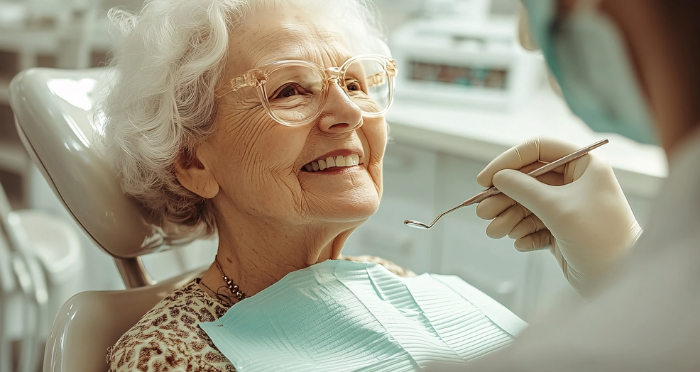

Senior dental care plays a far more important role in overall well-being than most people realize. As individuals age, their oral health becomes closely intertwined with their general health, daily comfort, nutrition, and quality of life. While younger adults often focus on aesthetics or minor dental concerns, seniors face deeper health connections—conditions like diabetes, heart disease, arthritis, dementia, and weakened immunity all become more difficult to manage when oral health is neglected. Studies show that nearly 68% of adults aged 65 and older have gum disease, and about 1 in 5 seniors have untreated tooth decay. These numbers clearly highlight the need for awareness, early detection, and consistent dental support in older age.
Why Senior Dental Care Is Essential for Overall Health
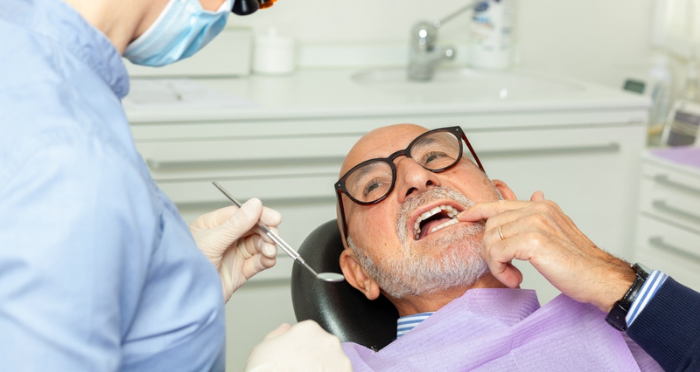
Senior dental care plays a critical role in preventing dangerous infections, maintaining proper nutrition, and reducing the risk of medical complications. As gums recede and enamel weakens with age, bacteria and plaque can accumulate more quickly, leading to gum disease, tooth loss, and even systemic infections. Research from the CDC indicates that gum disease in seniors is nearly twice as prevalent as in younger adults, making proactive care essential. When a senior struggles with oral pain or difficulty chewing, the problem doesn’t stay confined to the mouth—it affects eating habits, nutrition, sleep, and even social interaction. Poor oral health has also been linked to higher risks of pneumonia, especially in seniors living in assisted care facilities, because bacteria from the mouth can easily travel into the lungs.
How Oral Health Affects the Body as We Age
Senior dental care directly influences major body systems. The mouth is the gateway to the body, which means any infection or inflammation in oral tissues can enter the bloodstream and cause widespread effects. Many seniors already face chronic conditions like diabetes, hypertension, and cardiovascular disease, and poor oral health can worsen all of these. Experts estimate that people with untreated gum disease are up to 3 times more likely to develop heart issues. Additionally, seniors with diabetes are more prone to gum infections, creating a cycle that makes both conditions harder to manage. Saliva flow also decreases naturally with age or due to medications, which can encourage cavities and fungal infections such as oral thrush. These challenges highlight why oral health becomes more medically significant in senior years.
Common Dental Problems Among Seniors
Senior dental care must address the most common issues affecting older adults, including gum disease, root decay, dry mouth, enamel erosion, and tooth loss. Gum recession is one of the biggest contributors to oral problems because it exposes the root surfaces of teeth, making them more vulnerable to decay. Statistics reveal that about 70% of seniors aged 65–74 experience recession-related problems. Dry mouth, often caused by medications for blood pressure, anxiety, depression, or allergies, reduces saliva protection and increases decay risk. Many seniors also wear dentures or partials, which require regular adjustments to prevent discomfort, sores, or misalignment. The more these conditions go untreated, the more complex the treatment becomes over time—making routine dental visits extremely important.
The Link Between Senior Dental Care and Mental Health
Senior dental care also has a powerful impact on emotional and psychological well-being. Seniors dealing with missing teeth, chronic pain, or denture problems often struggle with embarrassment or reduced confidence. These issues can lead to withdrawing from friends, avoiding social gatherings, and limiting communication. Studies show that nearly 1 in 3 seniors with significant dental problems experience symptoms of anxiety or depression. Chewing discomfort can even limit the ability to enjoy favorite foods, which affects not only physical nutrition but also mental happiness. When seniors maintain healthy teeth and gums, they are more likely to stay socially active, feel confident, and continue participating in meaningful family and community activities.
Nutrition and Eating Challenges in Older Adults
Senior dental care is essential for maintaining good nutrition because oral pain or missing teeth can make chewing difficult. Many seniors begin avoiding nutritious foods like fruits, vegetables, nuts, or lean meats simply because they require more effort to chew. Over time, this leads to nutrient deficiencies, weight loss, or digestive issues. Research shows that seniors with poor oral health are 33% more likely to suffer from malnutrition, highlighting the strong relationship between dental comfort and diet. A well-functioning mouth encourages better eating habits, improved immune function, and higher energy levels—critical factors in successful aging.
The Importance of Regular Dental Checkups
Senior dental care becomes especially important during routine dental visits, which enable early detection and prevention of complications. Dentists can identify oral cancer symptoms, gum infections, cavity growth, denture issues, and bone loss before they become severe. The CDC reports that oral cancer risk increases significantly after the age of 60, making screenings a vital part of every dental appointment. Additionally, professional cleanings remove plaque and tartar that brushing alone cannot handle. Seniors who maintain regular dental appointments—at least twice a year—tend to have fewer complications, better oral stability, and improved overall health outcomes.
Gum Disease: The Silent Threat for Seniors
Senior dental care must prioritize gum health because gum disease often develops silently with no serious symptoms until it becomes advanced. This inflammation affects not only oral tissues but also the bloodstream and vital organs. According to the American Academy of Periodontology, seniors with gum disease are at a higher risk for Alzheimer’s, stroke, and heart disease, making gum health a major preventive measure. Untreated gum disease can also lead to tooth mobility and eventual tooth loss. Early detection and consistent cleaning can help protect gums and maintain strong oral support for years.
Dry Mouth and Medication-Related Issues
Senior dental care must address dry mouth (xerostomia) because it is one of the most common problems in older adults. With age, many seniors take multiple medications, and over 500 prescription drugs list dry mouth as a known side effect. Without enough saliva, the mouth becomes more vulnerable to bacteria, cavities, and infections. A dry mouth can also make speaking, swallowing, and wearing dentures uncomfortable. Dental professionals can recommend saliva substitutes, hydration techniques, and fluoride treatments to counteract dryness and protect enamel. Managing dry mouth early can significantly reduce the likelihood of severe oral problems.
Dentures, Bridges & Implants for Seniors
Senior dental care often includes restorative treatments like dentures, bridges, and dental implants. Many seniors rely on dentures for daily comfort, speech, and chewing, but they require regular maintenance to ensure proper fit. Poorly fitting dentures can cause mouth sores, infections, and difficulties with eating. Dental implants, on the other hand, have become increasingly popular among seniors, with studies showing that implant success rates exceed 95%, even for older adults. Implants help restore natural chewing ability and prevent jawbone loss. Whether a senior chooses dentures or implants, regular dental evaluation is key to ensuring long-term comfort and function.
Daily Oral Hygiene Habits for Seniors
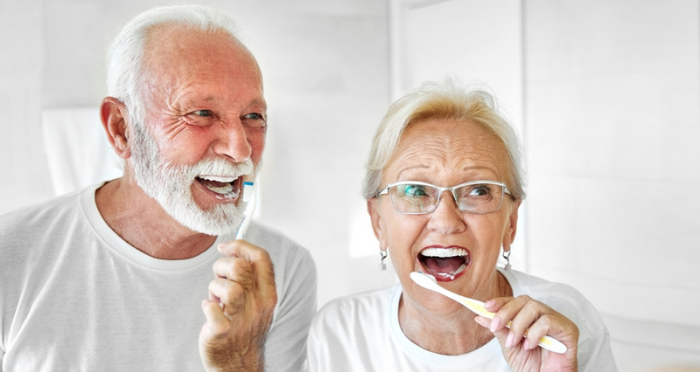
Senior dental care at home is just as important as professional treatments. Seniors should brush twice a day with fluoride toothpaste, clean between teeth daily, and use antibacterial mouthwash to reduce plaque buildup. For those with arthritis or limited hand movement, electric toothbrushes can make brushing easier and more effective. Drinking plenty of water, using sugar-free gum, and maintaining a balanced diet also help protect teeth and gums. Consistency in daily habits is the foundation of lifelong oral health and can significantly reduce the need for complex treatments later in life.
Preventive Treatments for Seniors
Senior dental care includes preventive measures such as fluoride treatments, sealants for exposed root surfaces, deep cleanings, and oral cancer screenings. Fluoride helps strengthen enamel, while sealants protect vulnerable roots from decay. Deep cleanings remove plaque buildup below the gumline to prevent advanced gum disease. For seniors with chronic medical issues, preventive dental treatments reduce the risk of complications, emergency visits, and costly procedures. Prevention is always more effective and more affordable than treatment—especially in older age.
Your Smile Matters at Every Age
Senior dental care is more than a routine—it is a vital part of aging with health, confidence, dignity, and comfort. Maintaining strong oral health protects the heart, brain, lungs, and immune system, while also improving nutrition and emotional well-being. Seniors who take care of their teeth enjoy a better quality of life, reduced medical risks, and stronger overall health.
For compassionate, reliable, and experienced dental support, Bright Dental in Des Plaines, IL is here to care for you and your loved ones.
If you’re ready to protect your health and smile with expert senior dental care, contact us today to schedule your appointment or learn more about our senior-focused services.

