


For many facing the daunting prospect of losing multiple teeth or an entire arch, the modern dental landscape offers more solutions than ever before. Two of the most prominent options for full-arch tooth replacement are traditional dentures and the innovative All-on-4 dental implant technique. The choice between Dentures vs All-on-4 Dental Implants is significant, impacting not only your smile but your overall health, confidence, and quality of life.
What are Dentures?
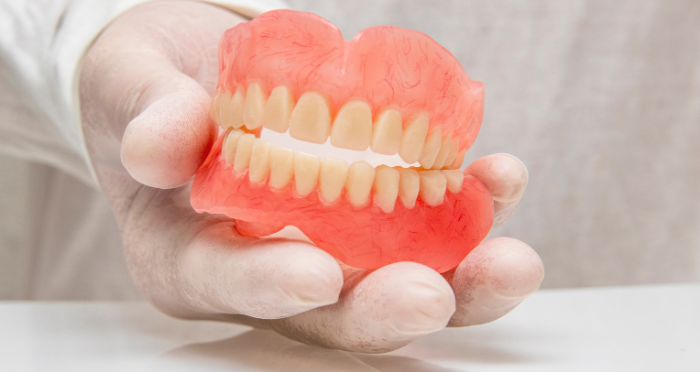
Dentures are removable appliances that replace missing teeth and surrounding tissues. There are two main types:
- Complete (full) dentures: replace all teeth in an upper or lower arch.
- Partial dentures: replace some missing teeth while clinging to existing natural teeth with clasps.
How they work: complete dentures rest directly on the gums and are held in place by suction, adhesives, and the fit of the denture base. Modern denture materials aim to be lightweight, natural-looking, and comfortable. Typical timeline: after extractions and healing (if needed), impressions are taken and the lab fabricates the final denture — the process can take several weeks.
What is All-on-4 Implants?
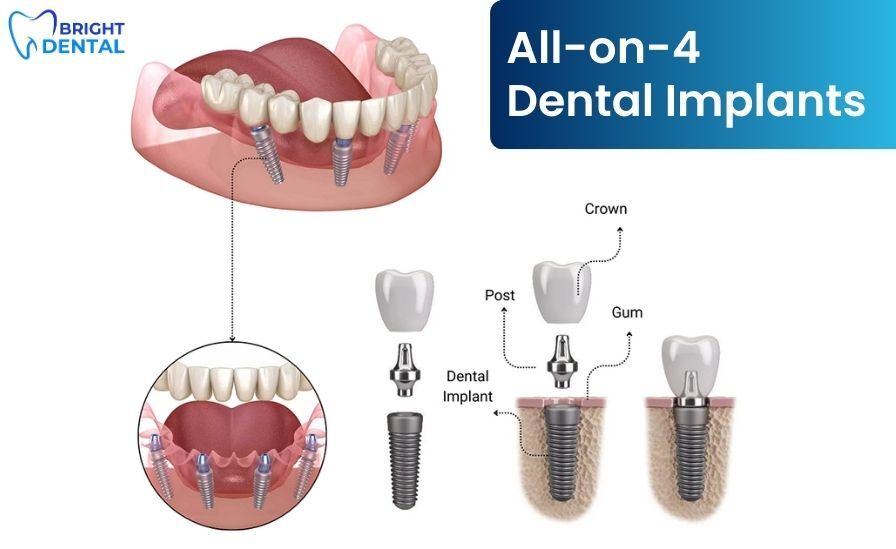
All-on-4 is a full-arch restoration anchored to the jaw with four strategically placed dental implants. Key features:
- Two implants are typically placed near the front (vertical), and two in the back are tilted to maximize anchorage in available bone.
- A fixed bridge or prosthesis is attached to those implants, providing a stable, non-removable set of teeth (though the prosthesis itself can be removed by a dentist if needed).
Typical timeline: implant placement is surgical and is followed by a healing period (osseointegration) of a few months. Many clinics provide a temporary fixed prosthesis the same day (immediate load), then replace it with a final prosthesis after healing.
Comfort and Functionality: Daily Life with Each Option
Comfort plays a major role in evaluating Dentures vs All-on-4 Dental Implants. Dentures, especially new ones, often require a period of adjustment as the muscles and oral tissues adapt to the appliance. Many patients experience sore spots, rubbing, and difficulty speaking clearly at first. Eating certain foods such as steak, nuts, crusty bread, or corn on the cob can be challenging. For some, dentures may feel bulky or unstable, and adhesives may become part of daily life.
All-on-4 implants eliminate most of these concerns. Because the prosthesis is firmly secured to dental implants, patients describe the experience as very close to having natural teeth again. Chewing strength increases significantly, allowing individuals to enjoy a wider variety of foods. Speech is generally clearer, and there is no worry of dentures slipping during a conversation or meal. The difference in stability alone is life-changing for many people who have struggled with dentures for years.
Bone Preservation and Long-Term Oral Health
One critical difference between dentures and All-on-4 implants is their impact on jawbone health. When natural teeth are lost, the jawbone begins to deteriorate because it no longer receives stimulation from biting forces. Dentures rest on the gum tissue and do nothing to stop this bone loss. In fact, as the bone continues to shrink, dentures fit more poorly, causing individuals to seek frequent adjustments or replacements.
Scientific studies show that denture wearers may lose up to 0.1 to 0.2 millimeters of bone height every year, and in some cases, significantly more. Over a decade, this changes facial shape dramatically, contributing to wrinkles, a sagging jawline, and a collapsed mouth appearance.
All-on-4, on the other hand, actively preserves bone density. Implants mimic natural tooth roots and transmit chewing forces into the bone, which encourages bone regeneration. This not only helps maintain facial structure but also ensures long-term stability of the prosthesis. Research shows that implant-supported full-arch restorations have success rates above 95%, making them one of the most dependable tooth replacement solutions available.
Durability and Maintenance Over Time
Another major factor in choosing Dentures vs All-on-4 Dental Implants is durability. Dentures typically last between five and ten years. Over time, the acrylic teeth wear down, the base becomes loose due to bone changes, and the appearance may become less natural. Regular maintenance includes cleaning with specialized denture solutions, removing them nightly, and occasionally using adhesives for better stability.
All-on-4 implants offer a far more durable solution. While the prosthetic bridge may need replacement after 10 to 20 years depending on the material, the implants themselves are designed to last decades, and often a lifetime with proper oral hygiene. Patients brush and clean around the prosthesis much like natural teeth. Regular dental checkups are important to monitor implant health, but daily care is simpler and more intuitive than caring for dentures. There is no soaking, no adhesives, and no nightly removal.
Cost Considerations: Short-Term vs Long-Term Investment
Cost is often one of the biggest deciding factors when choosing between dentures and implant-supported solutions. Dentures generally offer a much lower upfront cost. However, it is important to consider long-term expenses such as relines, replacements, adhesives, cleaners, and frequent adjustments. Over 10 to 15 years, these costs add up substantially.
All-on-4 requires a higher initial investment, but the longevity, stability, comfort, and improved quality of life often make the cost worthwhile. Many patients also consider the long-term savings from avoiding repeated denture replacements. Additionally, the value of maintaining facial structure and bone health is difficult to quantify but immensely beneficial.
In recent years, more dental practices offer financing, payment plans, and insurance assistance for implant procedures, making All-on-4 increasingly accessible.
Aesthetics and Confidence: How Each Option Affects Your Smile
Smile aesthetics are a major priority for patients seeking full-mouth restoration. Well-made dentures can look natural and attractive, but because they rest on the gum tissue, they can sometimes appear less lifelike, especially if the bone has shrunk significantly. Additionally, dentures may shift when speaking or laughing, which can affect confidence in social settings.
The All-on-4 system offers exceptional aesthetics due to its stability and customization options. The prosthesis is carefully shaped to match facial features, lip support, and natural tooth proportions. Because it attaches to implants, the teeth do not move or shift, resulting in a more confident smile. Many patients report that the change in their appearance after receiving All-on-4 is profound—restoring not only their smile but also their self-esteem and ability to socialize without fear or embarrassment.
Candidacy: Who Is Best Suited for Each Treatment?
Dentures are suitable for nearly anyone who has lost most or all teeth, especially those seeking a non-surgical or budget-friendly option. They are also a practical solution for patients with medical conditions that make surgery risky.
All-on-4 implants require that the patient has adequate bone structure to support the implants, although the angled placement often eliminates the need for bone grafting. Candidates should be in reasonably good health and able to undergo minor oral surgery. Patients with uncontrolled diabetes, heavy smoking habits, or certain medical issues may require further assessment before proceeding.
Making the Final Decision
Ultimately, the choice between dentures and All-on-4 dental implants is highly personal. Dentures offer an accessible, affordable entry point for tooth replacement, and they can provide a natural-looking smile when properly designed. However, they require ongoing maintenance, adjustments, and eventual replacement as the jawbone structure changes.
If you are looking for professional guidance, expert evaluation, and advanced tooth replacement options, you can consult Bright Dental in Des Plaines, IL, where experienced dental professionals can walk you through the process and help you choose the option that truly fits your lifestyle and long-term dental health.

