

When it comes to restoring damaged or decayed teeth, a common choice in modern dentistry is to use a dental crown — essentially a “cap” that goes over your natural tooth to restore its shape, strength, and appearance. Among the most popular materials used for these crowns are zirconia and porcelain. Each material brings its own strengths and trade‑offs. In this blog, we’ll explore in depth the differences between zirconia crowns and porcelain crowns, their advantages and disadvantages, and how to choose what’s “best for you.”
What Are Porcelain and Zirconia Crowns?
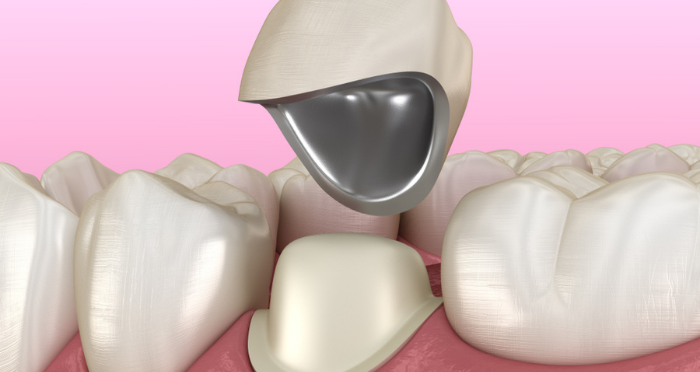
Crowns made from ceramic materials mimic the look of natural tooth enamel — including its translucency, color gradations, and ability to reflect light. These qualities make them among the most “natural‑looking” types of dental restorations. Dentists might use all-ceramic crowns or ceramic fused to a metal base (PFM), though metal‑free versions avoid potential dark lines at the gum.
Porcelain has long been a go-to choice in restorative dentistry because of its proven record in matching natural teeth aesthetics, and for being well tolerated by gum tissues. Over a five-year period, studies estimate fracture/chipping rates for zirconia crowns at below 3%, versus 8–12% for porcelain-based crowns under similar conditions.
Zirconia Crowns
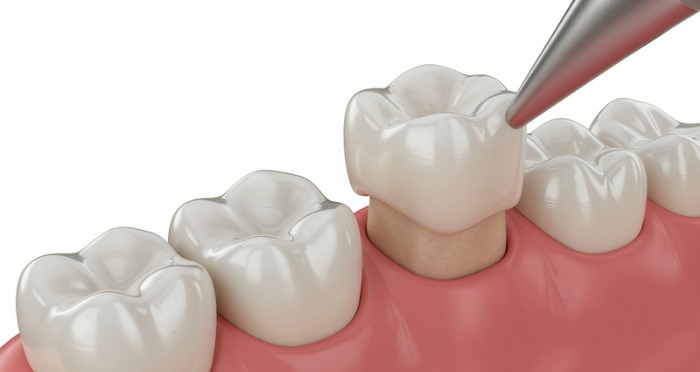
Zirconia crowns are crafted from zirconium dioxide — a very strong, white ceramic oxide. They are metal-free, biocompatible, and increasingly popular because they combine strength and durability with improvements in aesthetics.
With advances in dental materials and CAD/CAM manufacturing, modern “high-translucency” zirconia can offer a more tooth‑like appearance than older, more opaque zirconia; enough in many cases to be suitable even for visible front teeth.
Strength and Durability: Which Lasts Longer?
Zirconia’s Edge in Strength
One of the most cited advantages of zirconia crowns is their impressive mechanical strength. According to comparative data, zirconia exhibits flexural strength around 900–1200 MPa, compared to 350–450 MPa for typical porcelain ceramics.
Zirconia’s fracture toughness — which measures how resistant a material is to crack propagation — is also much higher. This translates to crowns that are far less likely to chip, crack, or fail under the pressures of chewing, grinding, or bruxism (teeth‑grinding).
Because of these properties, zirconia crowns are often preferred for back teeth (molars, premolars) — areas that endure heavy chewing forces.
Porcelain crowns still hold up well — especially in less demanding areas — but they are comparatively more brittle. They are more prone to chipping or cracking under heavy load (e.g. biting hard foods, grinding, clenching), which makes them less ideal for posterior teeth in many cases.
Additionally, porcelain crowns often require more of the natural tooth to be removed during preparation to ensure there’s enough material thickness for strength. This means more of your own tooth is sacrificed compared to zirconia crowns.
Longevity: What Research Says
Because of zirconia’s superior strength and fracture resistance, many clinical studies report longer survival rates for zirconia crowns. One source cites that zirconia crowns can last 15–20 years or more when properly cared for, whereas porcelain crowns often last closer to 10–15 years.
All that makes zirconia a strong long-term investment for many patients — especially for teeth subjected to heavy forces.
Aesthetics: Which Looks More Like a Natural Tooth?
Zirconia: Catching Up with Modern Materials
Historically, zirconia crowns were more opaque and less lifelike than porcelain. But modern “translucent zirconia” has closed some of that gap. Many labs now produce multilayer zirconia blanks with graduated translucency, which can achieve a high degree of natural tooth‑like appearance.
For back teeth or teeth less visible when smiling, modern zirconia crowns often present a satisfactory cosmetic outcome while offering superior strength.
Still, for patients seeking the absolute best match to natural enamel — especially under close-up smile photos or ideal lighting — porcelain may retain a slight advantage, particularly in front teeth.
Biocompatibility & Gum Health: How Your Tissue Reacts
Both porcelain and zirconia crowns are considered biocompatible — meaning they are generally tolerated well by the gums and soft tissues in the mouth.
However, zirconia has some additional advantages in this regard:
- Zirconia is metal-free and hypoallergenic, which makes it a good option for patients who have metal sensitivities or allergies.
- Because there is no metal substructure, zirconia crowns avoid a common aesthetic problem with metal-based crowns — the appearance of a dark line at the gum line, which can become visible over time, especially if gums recede.
- The smooth, polished surface of zirconia tends to resist plaque adhesion, which may support better long-term gum health.
Porcelain crowns (metal-free versions) are also well tolerated by gum tissue, and for many patients cause no issues.
Which Should You Choose? Porcelain or Zirconia Crowns?
There’s no one-size-fits-all answer. The “best” crown depends on your individual situation, priorities, and oral health. Here are some general recommendations:
- If aesthetics (appearance) are your top priority, and the crown is for a visible front tooth: Porcelain often wins because of its superior translucency and natural enamel-like appearance.
- If strength, durability, and long-term resilience matter — particularly for back teeth where chewing forces are high: Zirconia is often the better choice because of its superior fracture resistance, longevity, and less invasive tooth preparation.
- If you have metal sensitivities or are concerned about gum health/gum-line appearance: Zirconia’s metal-free composition and biocompatibility make it a safer, more gum-friendly option.
- If budget is a significant factor, or you don’t have access to advanced dental labs: Porcelain crowns may be more cost-effective and more broadly available than zirconia.
In many dental practices, a blended approach is used: porcelain (or porcelain-fused) crowns for front teeth where aesthetics matter most, and zirconia for molars or back teeth where strength and durability are prioritized.
Conclusion
Both porcelain and zirconia crowns offer exceptional benefits, but they serve slightly different purposes. The right choice for you depends on your priorities, dental needs, and lifestyle.
By understanding the differences between these materials, you can make an informed decision that preserves your dental health, restores functionality, and enhances the beauty of your smile.
If you are considering a dental crown or need guidance on which material is best for your teeth, contact Bright Dental in Des Plaines, IL. Our experienced team will assess your needs, explain the options, and provide high-quality care tailored to your smile. Don’t wait—schedule your consultation today and take the first step toward a stronger, healthier, and more beautiful smile.

